Building Tiny Treehouses (and Big Ideas) at the Tree house Cafe
There’s something about building small that gets people out of their heads fast. No pressure, no overthinking—just hands moving, pieces coming together, and ideas taking shape as you go. That’s how the mini treehouse workshop at the Tree House Cafe unfolded.
If you know the place, it tracks. Theresa—who goes by “Tree”—runs the cafe, and the name says enough. It’s warm, a little whimsical, and built for gathering. They host craft nights pretty regularly, but this one had a different kind of energy from the start. She was immediately into the idea and helped bring it to life.
This wasn’t a brand-new concept, either. The first version of this workshop happened at the World Treehouse Conference, hosted by Charles Spitzack. That one set the tone. This one brought it into a more intimate, hands-on setting—same spirit, just a tighter room and a little more glue on your fingers.
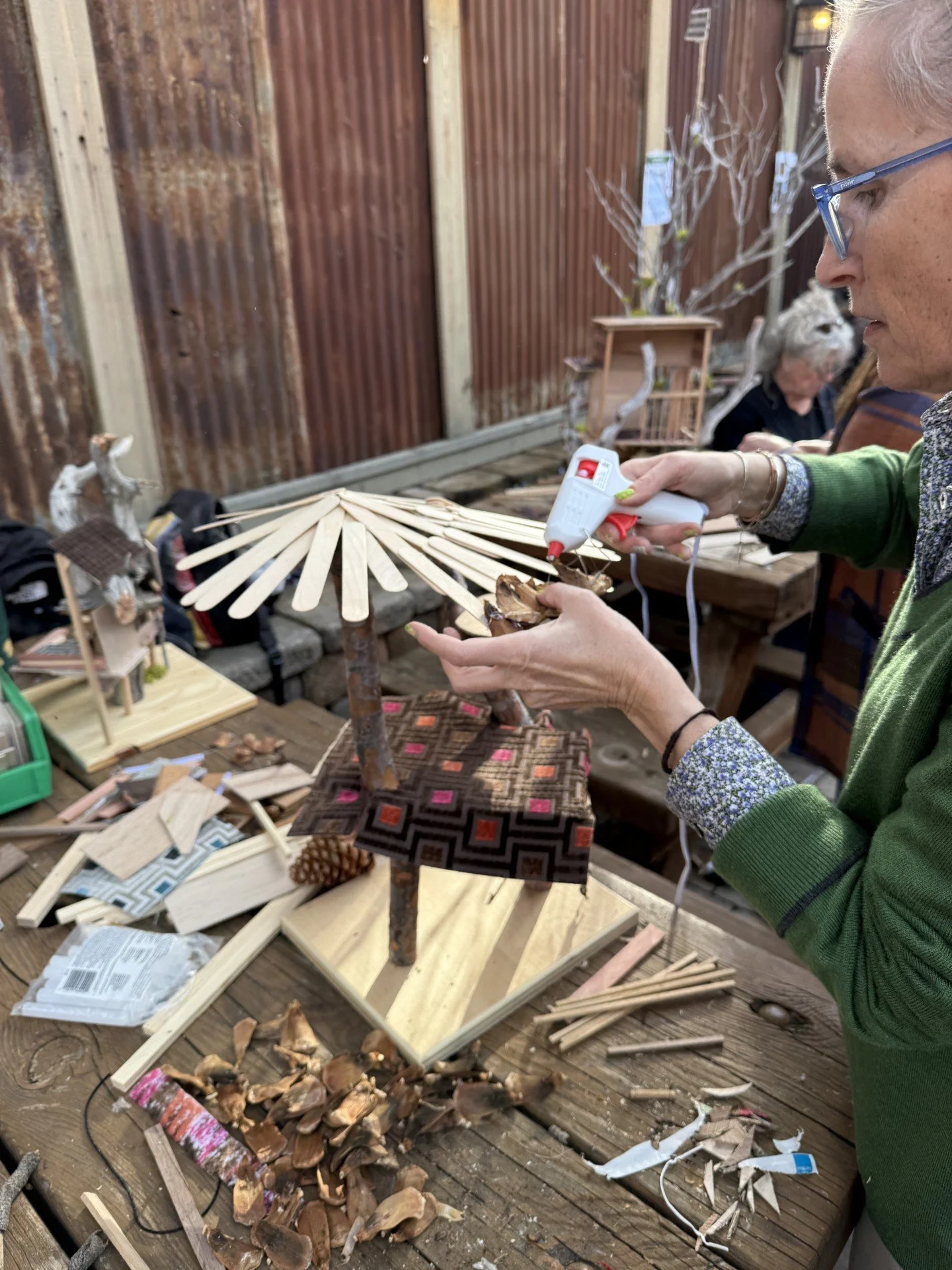
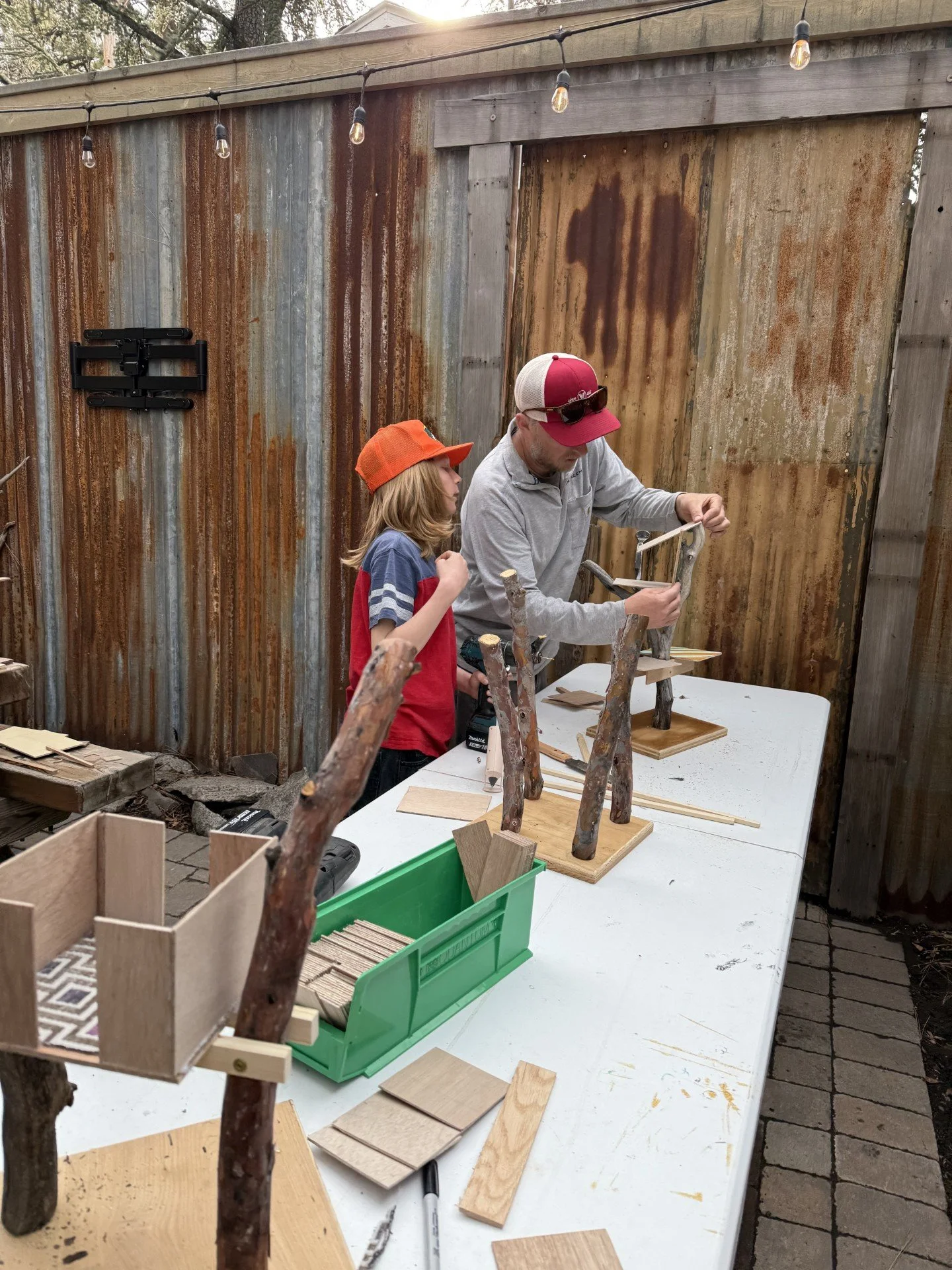
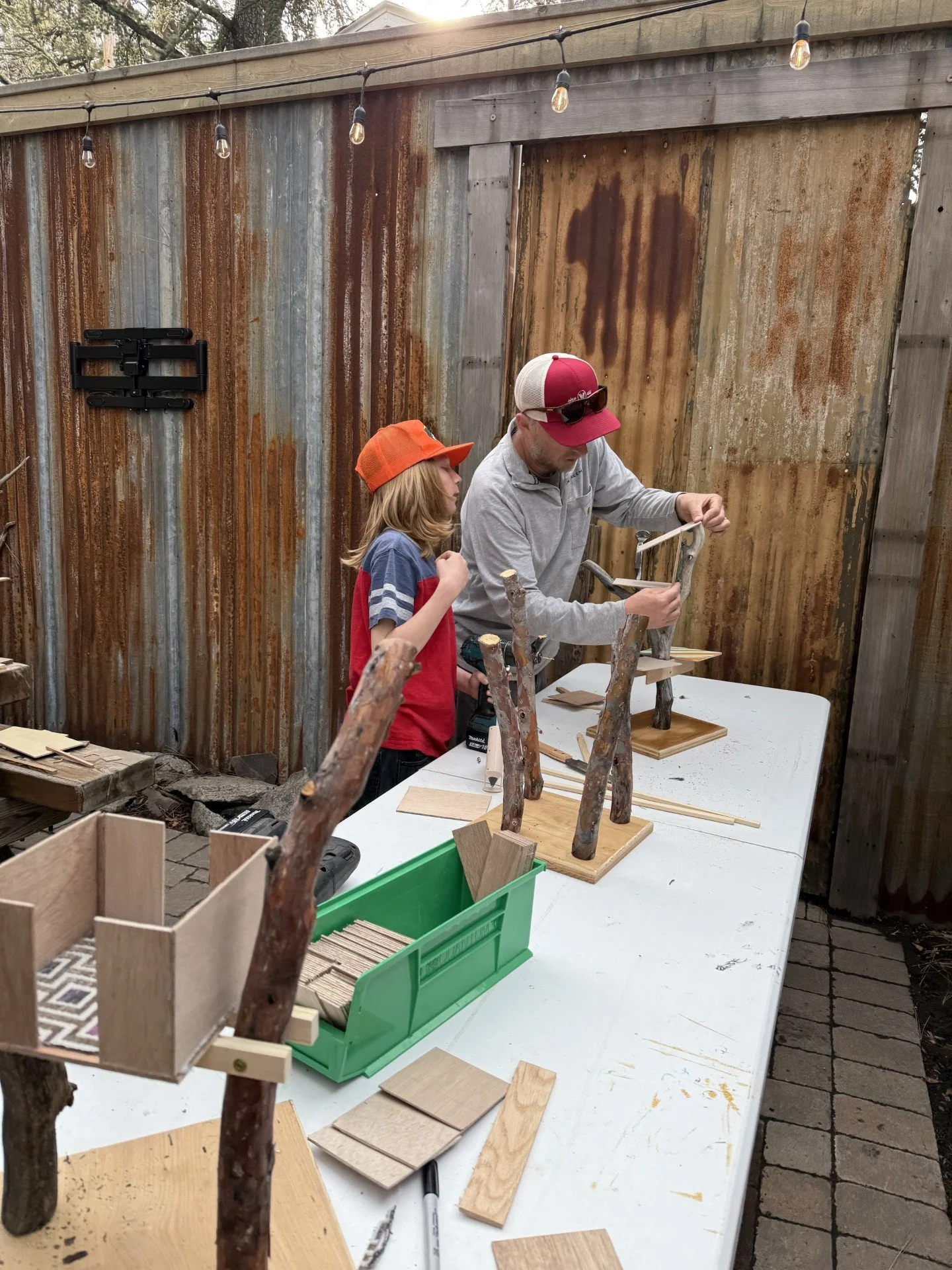
Getting everything together felt a bit like organized chaos. Craft store runs. Grabbing every hot glue gun I could get my hands on. Loading up bins of wood shop scraps—walnut, oak, alder, pine—nothing uniform, nothing prepped to perfection. Just a mix of textures, tones, and shapes waiting for someone to claim them.
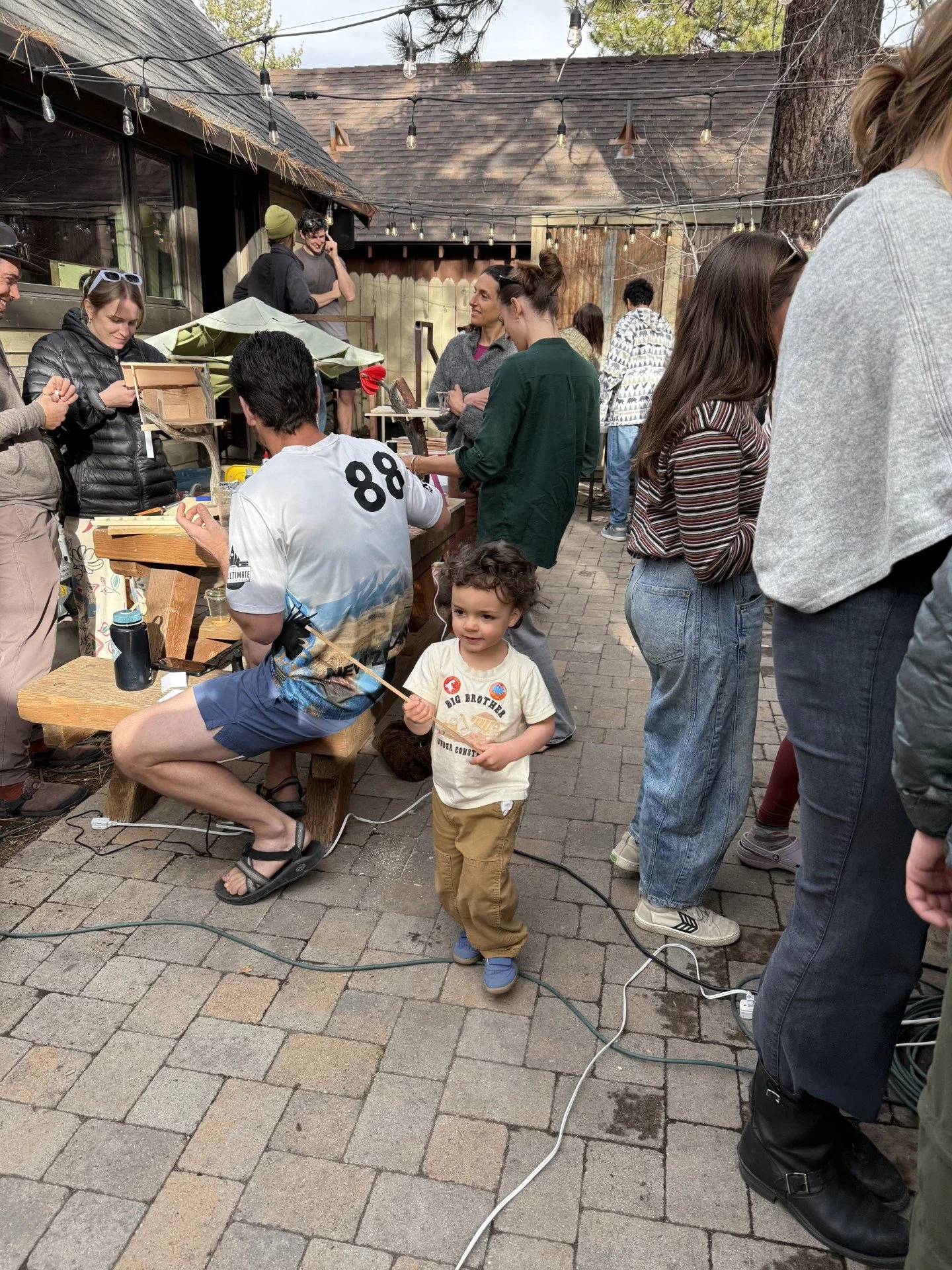
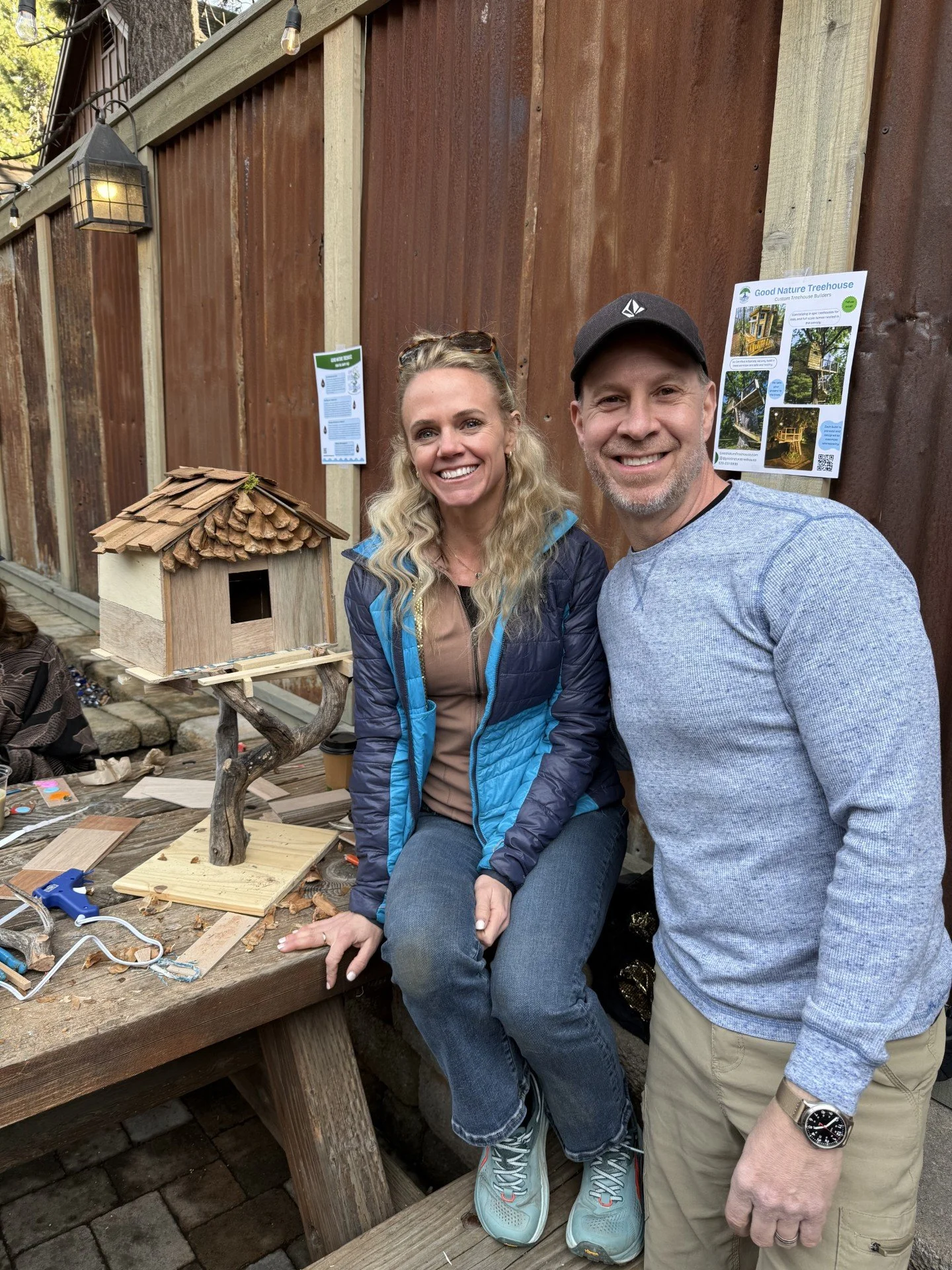
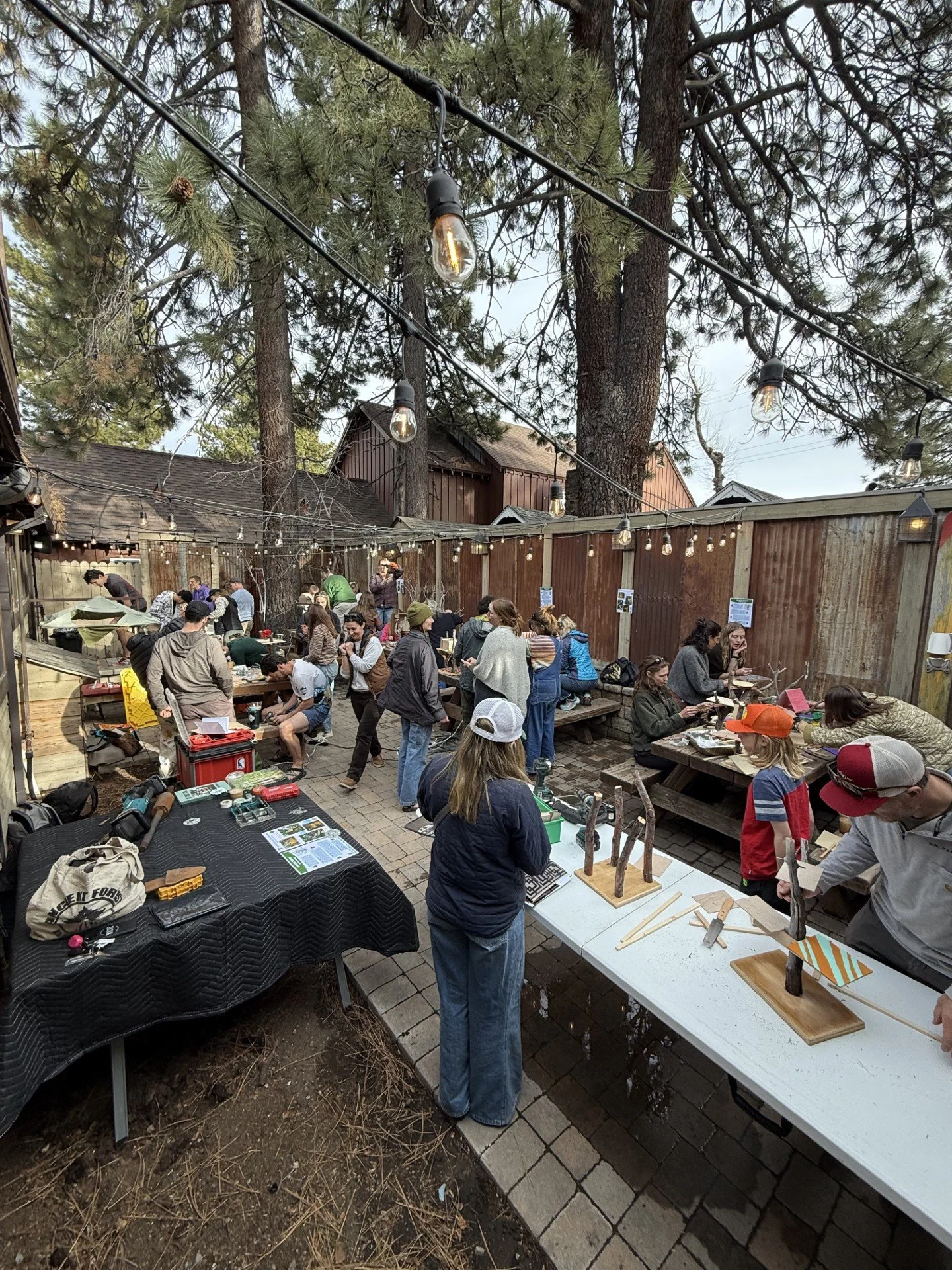
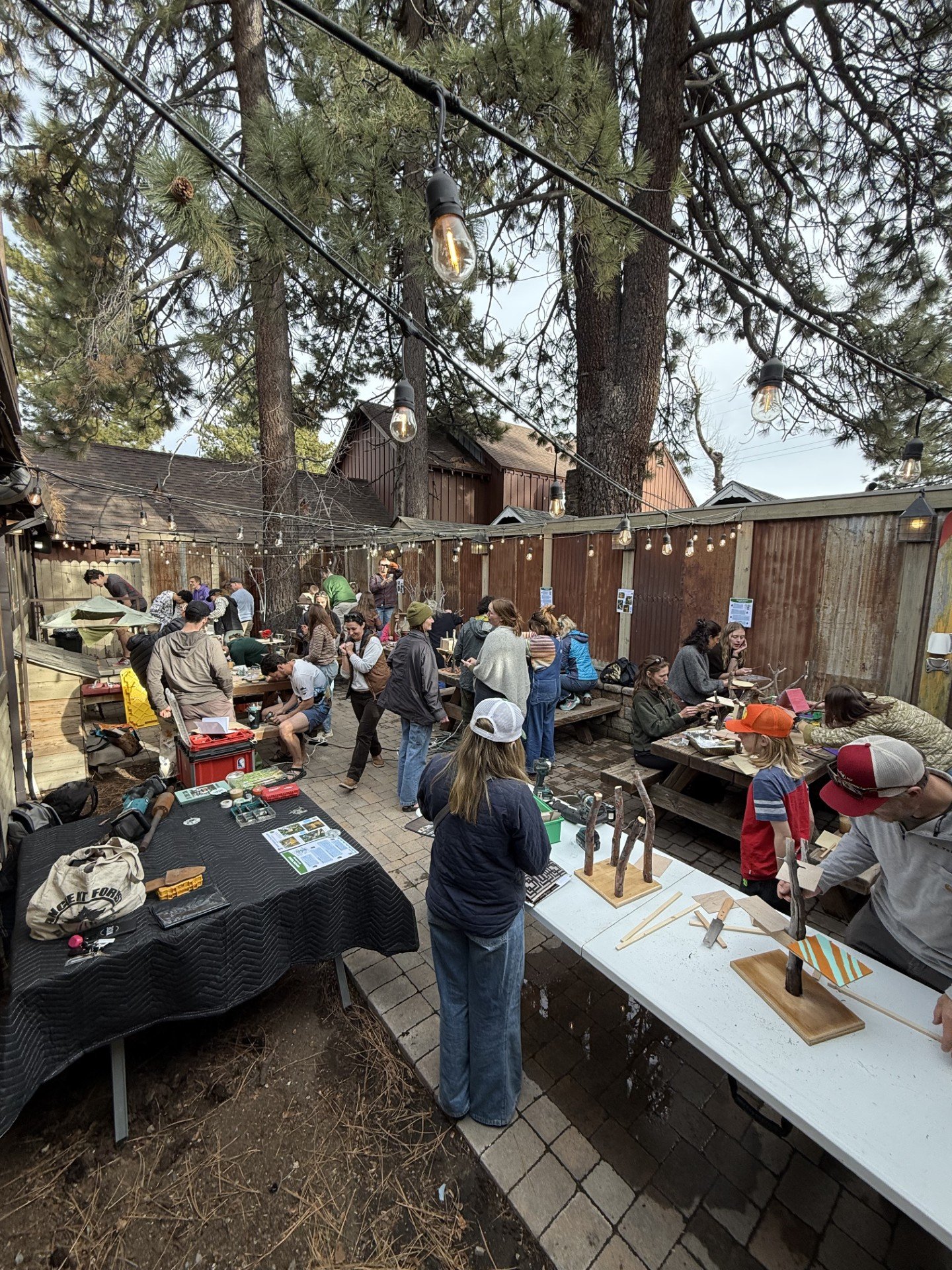
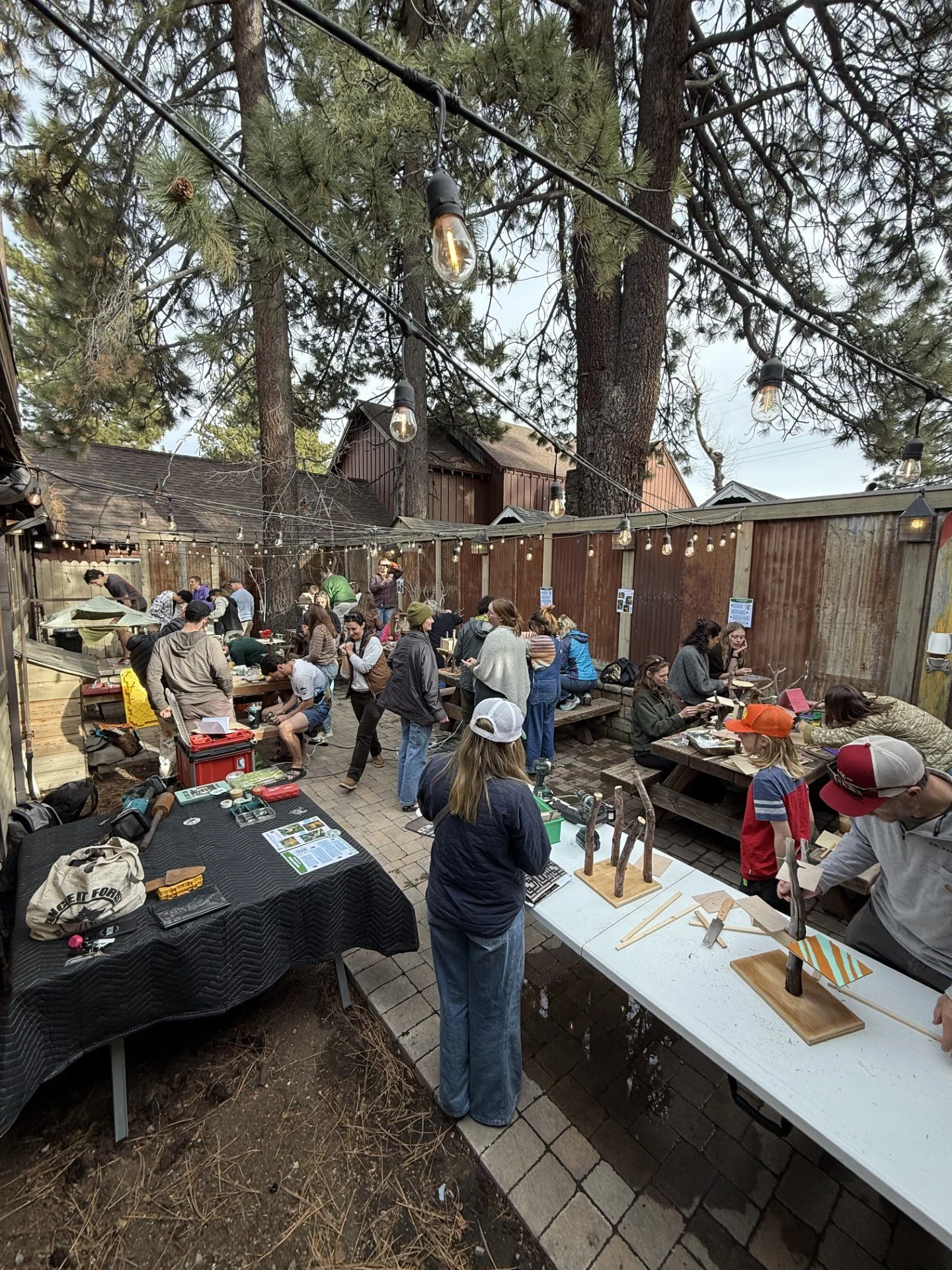
Around 40 people showed up.
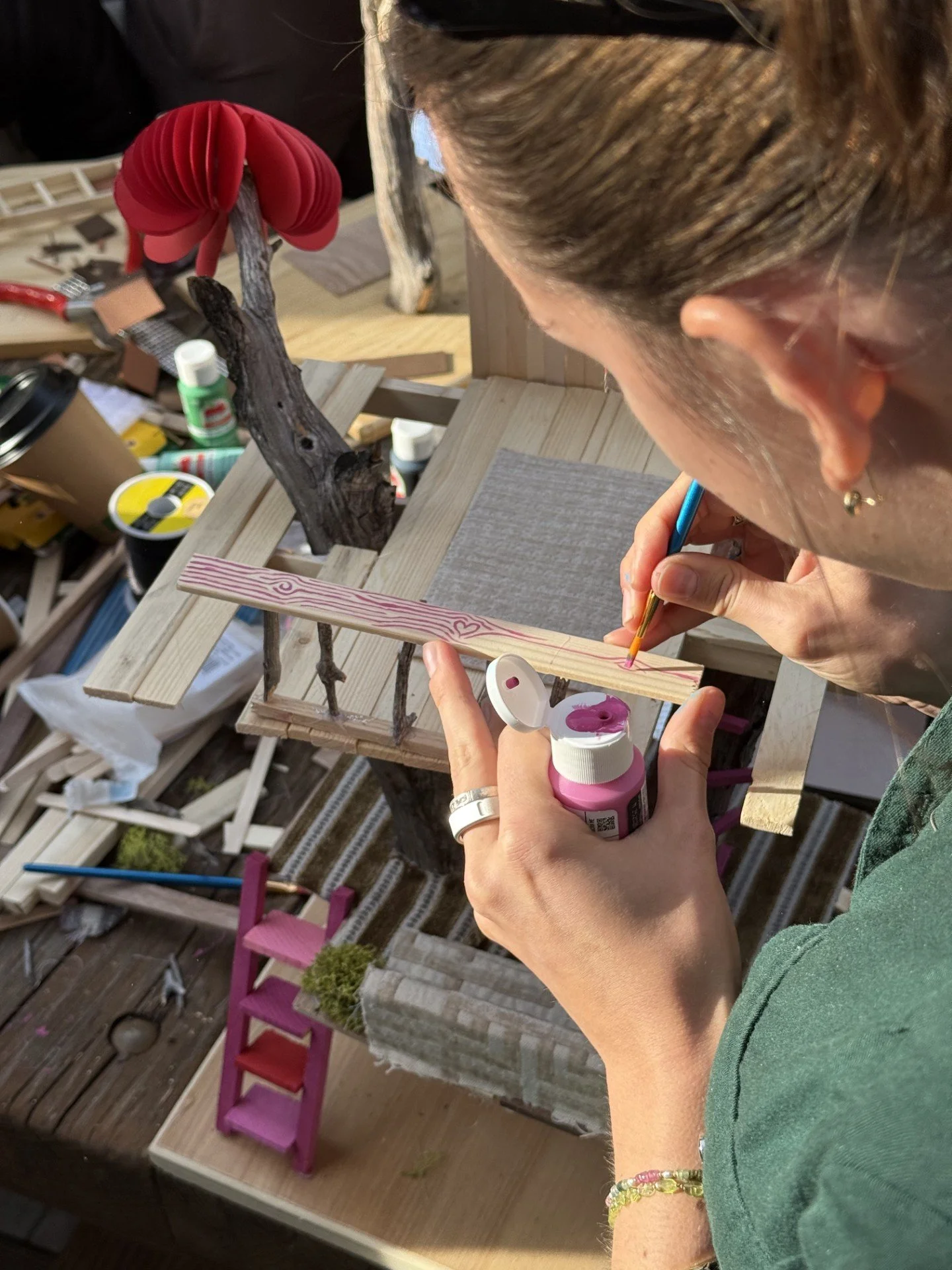
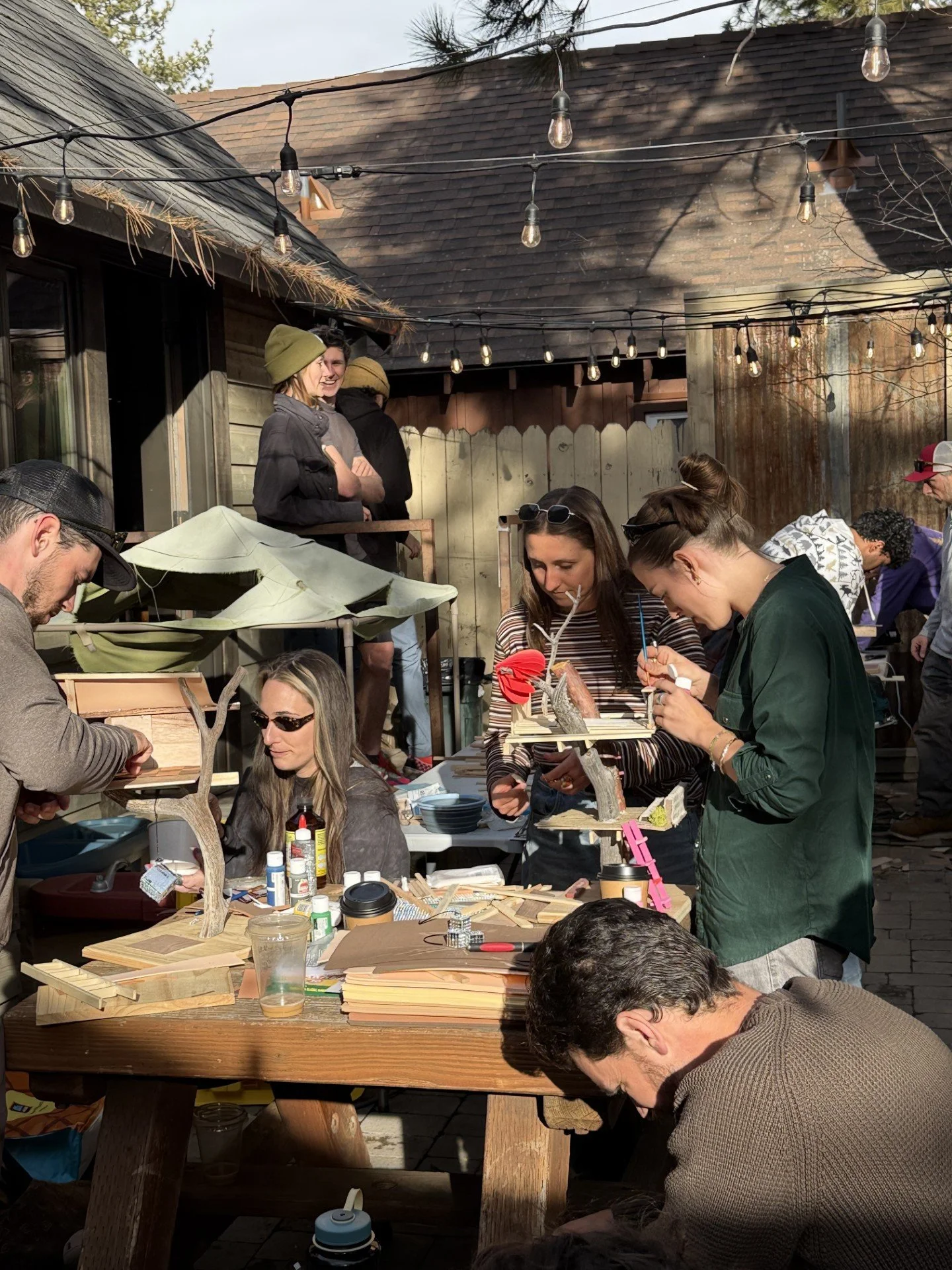
Three hours went by quickly. Once everyone settled in, the room shifted. Conversations faded in and out, tools clicked and buzzed, and people got locked into their own little worlds. Some built carefully, piece by piece. Others jumped in and figured it out as they went. Both approaches worked.
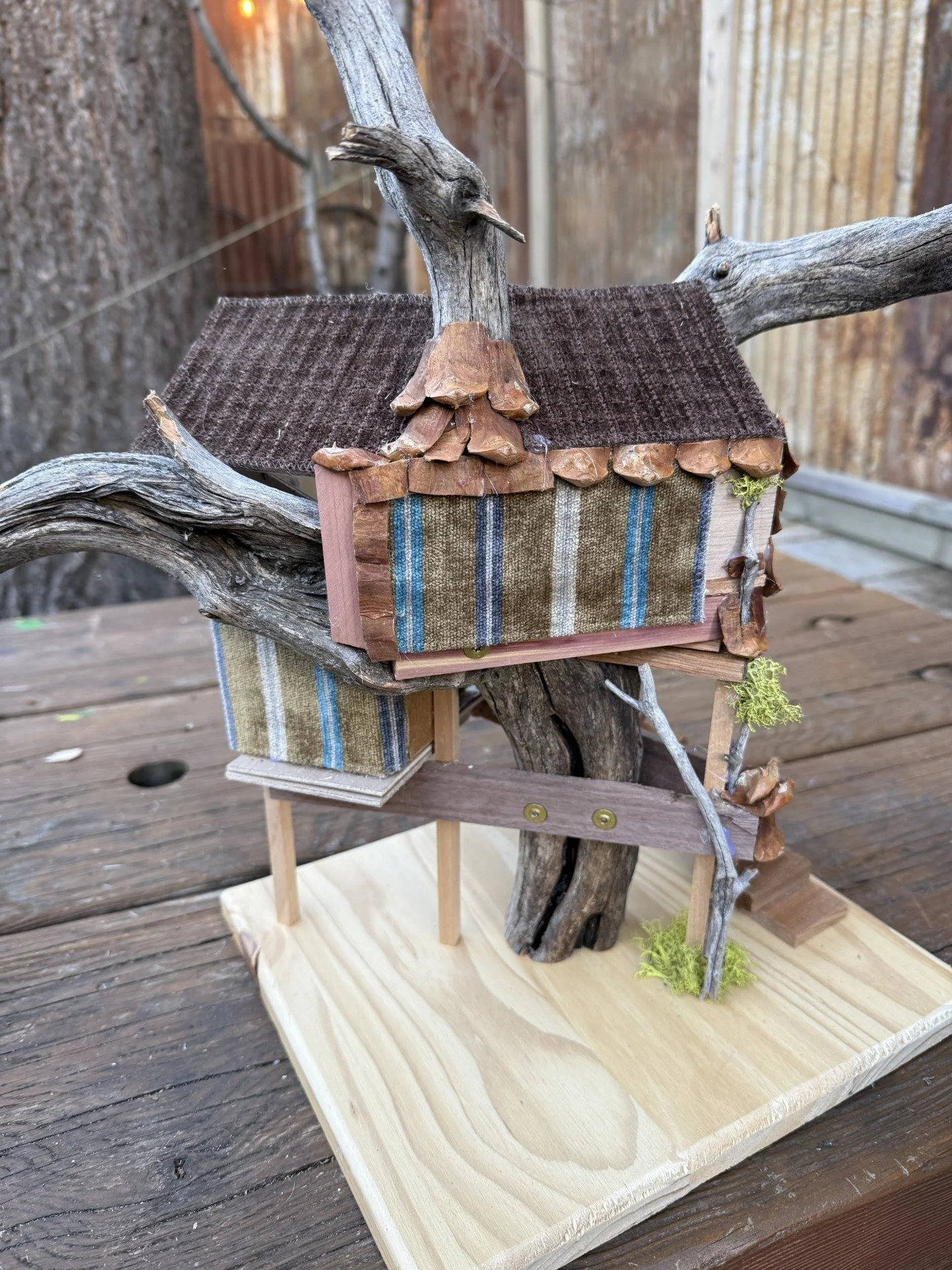
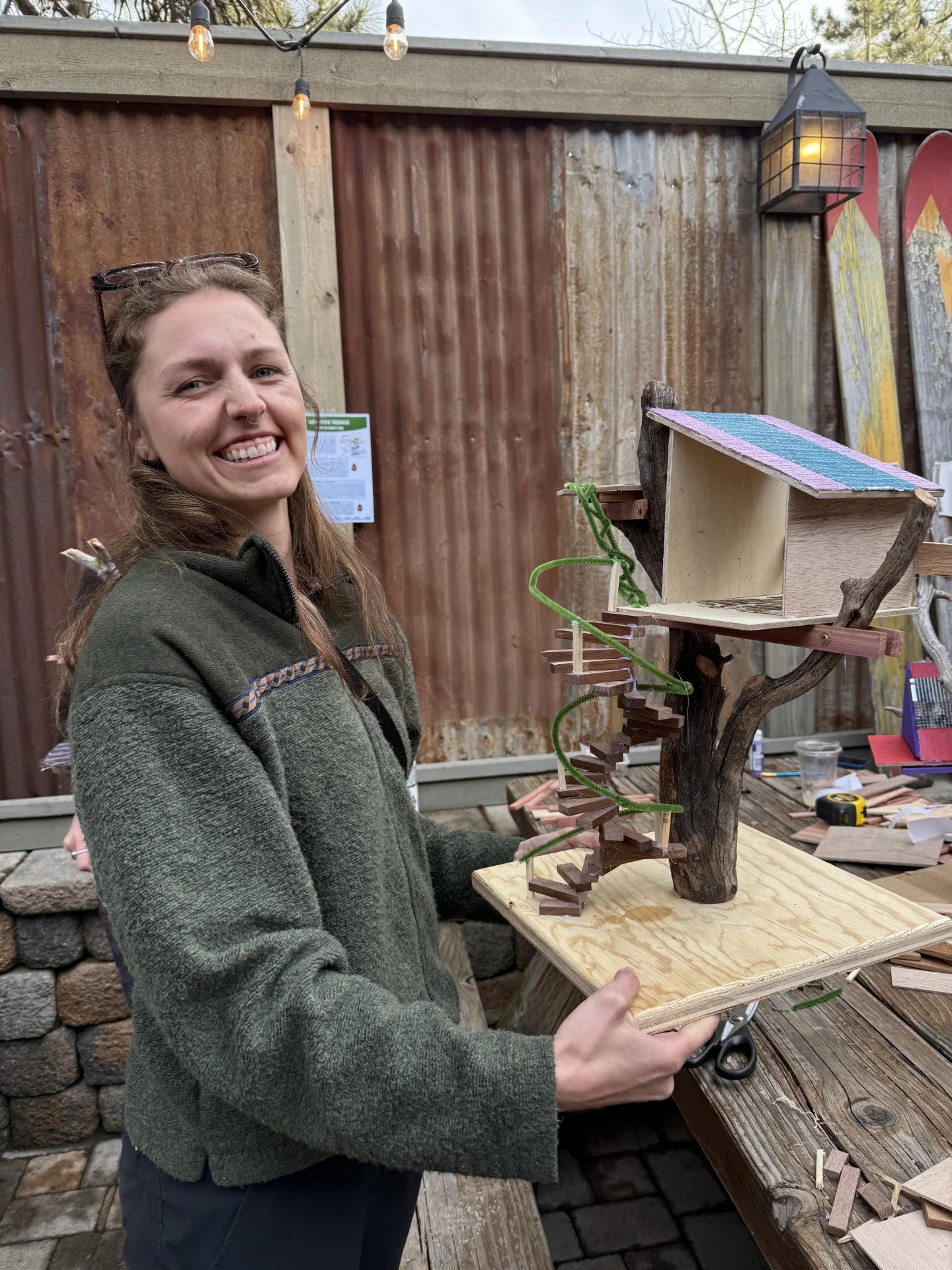
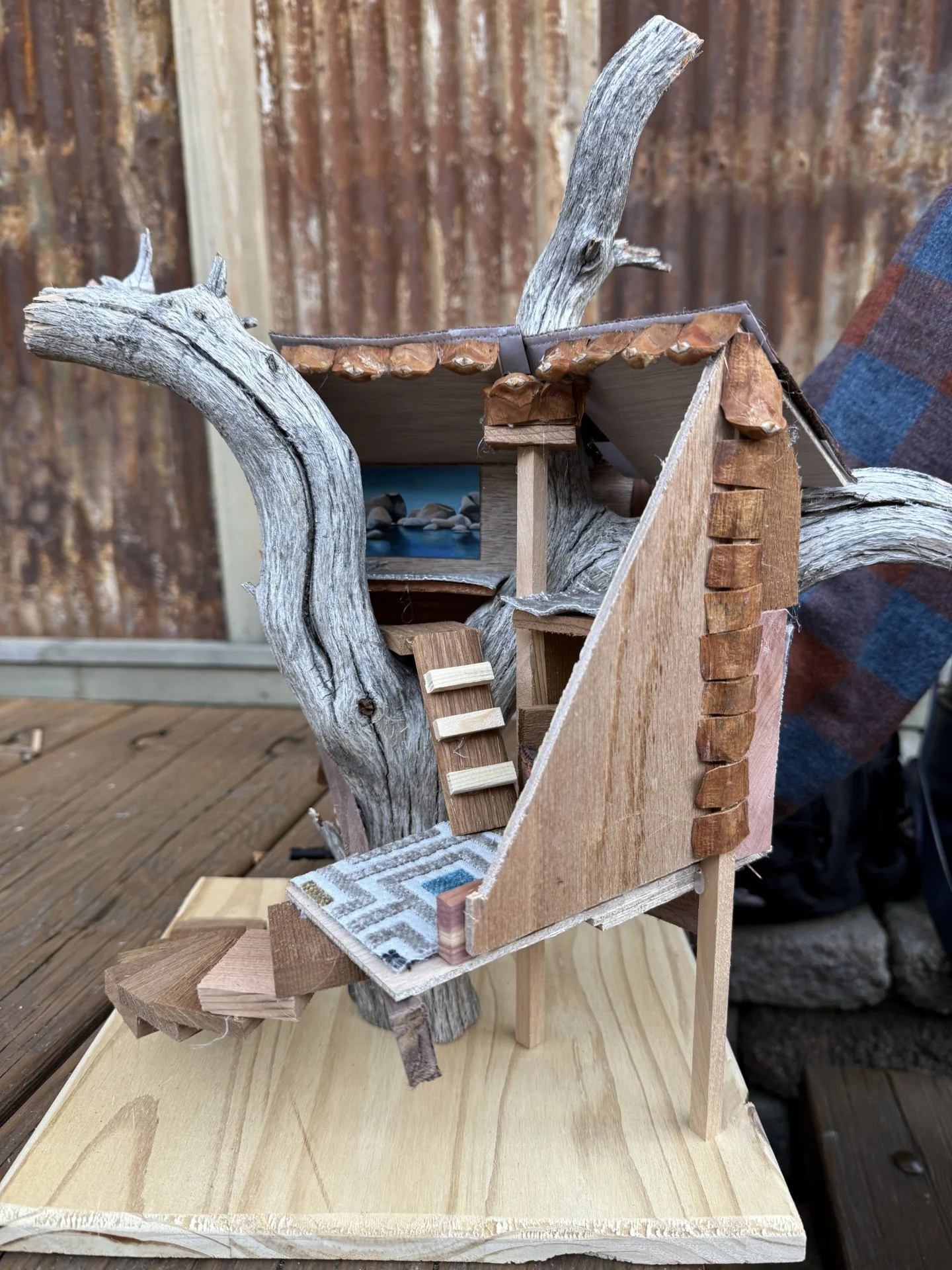
The “trees” themselves came from my backyard—dead manzanita branches mounted onto plywood bases. Twisted, unpredictable, and full of character. Each one forced a slightly different approach. I brought in incense cedar branches too, freshly cut from a recent pruning, just to add more variation.
From there, it opened up.
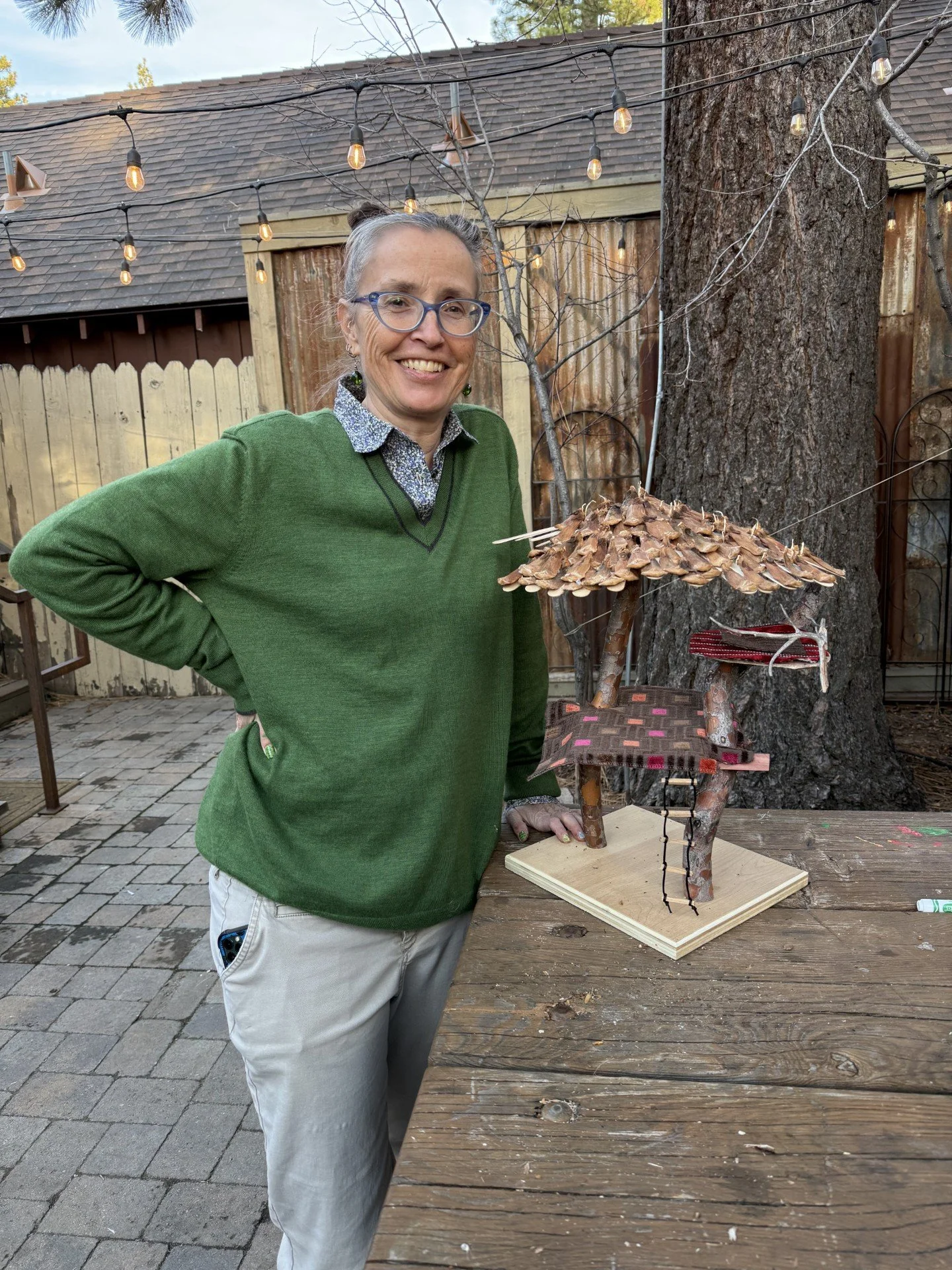
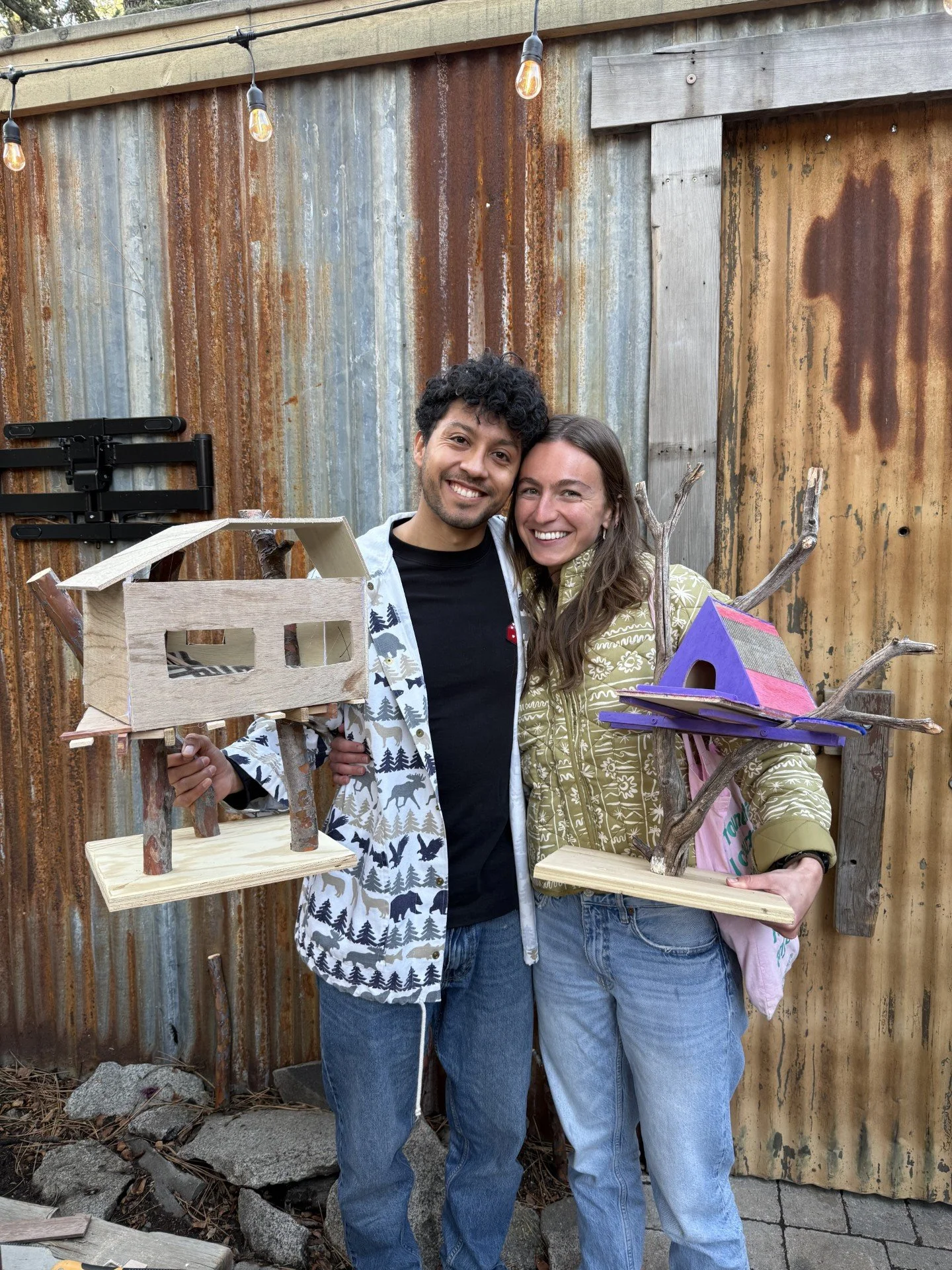
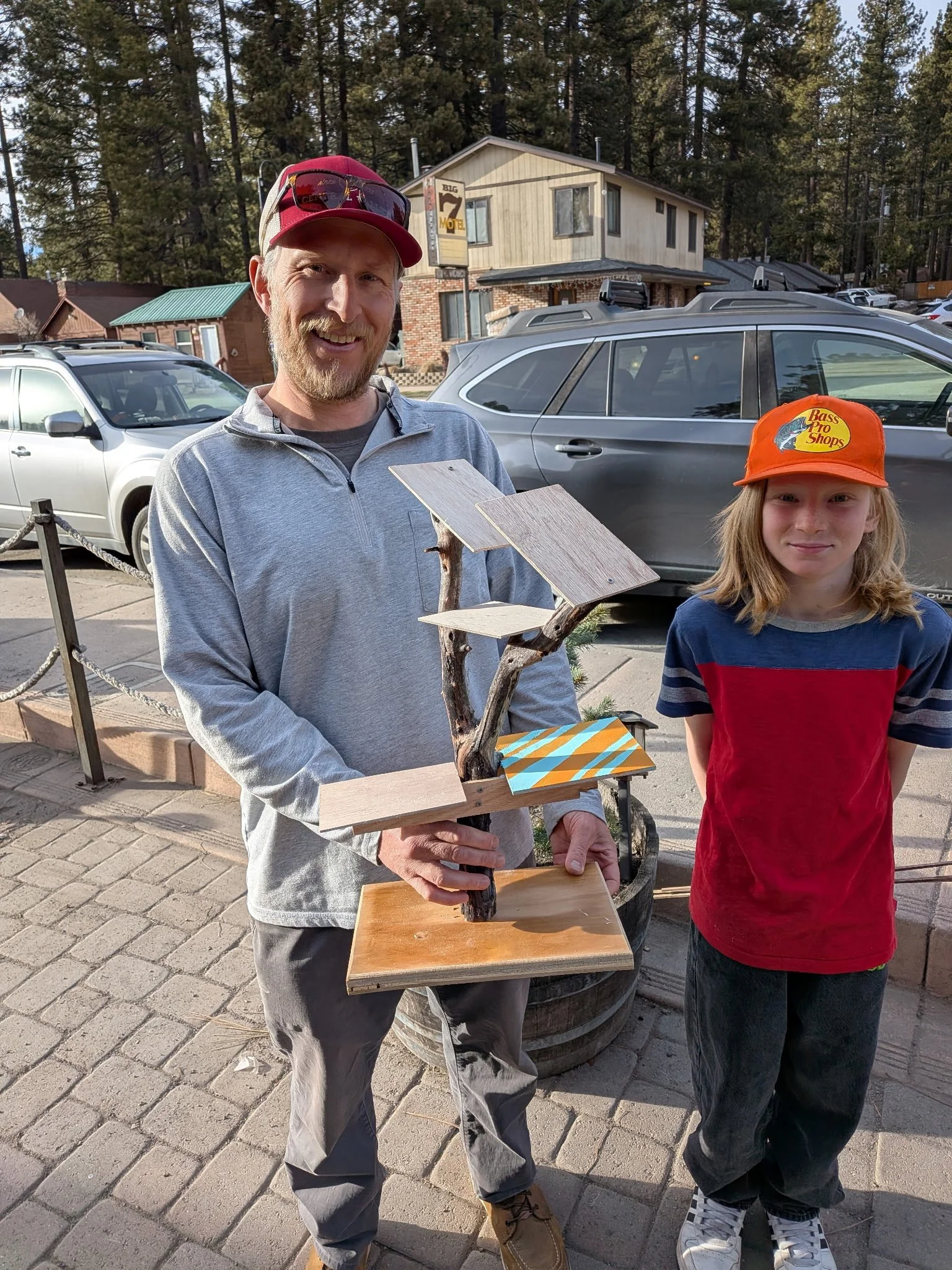
Some builds ended up detailed and layered—platforms, ladders, tiny structures tucked into every angle. Others stayed minimal, just a simple perch placed exactly where it needed to be. No template to follow, no right way to do it. Same starting point, completely different results across the table.
By the end, there was glue everywhere, sawdust on everything, and a table full of tiny treehouses that couldn’t have been more different from each other.
And people didn’t rush out. They hung around, looked at what everyone else made, swapped ideas, asked questions. You could feel it—everyone had tapped into something they don’t get to use every day.